The Highest State Organ
The Council of State of the Republic of Cuba is the state organ that represents the National Assembly of People's Power between legislative sessions. It was established under the 1976 Constitution and reinforced by the 2019 Constitution, which expanded its powers and redefined its role within Cuba's state structure.
Its President holds the status of Head of State and bears responsibility for the supreme representation of the Cuban state in both domestic and international affairs. Under the current constitution, the President of the Council of State and the President of the Republic are separate offices for the first time since 1959.
The Council of State issues decree-laws, provides instructions to the courts, and may revoke the agreements and provisions of state bodies, administrative councils, and other entities when they are contrary to the Constitution or the laws.
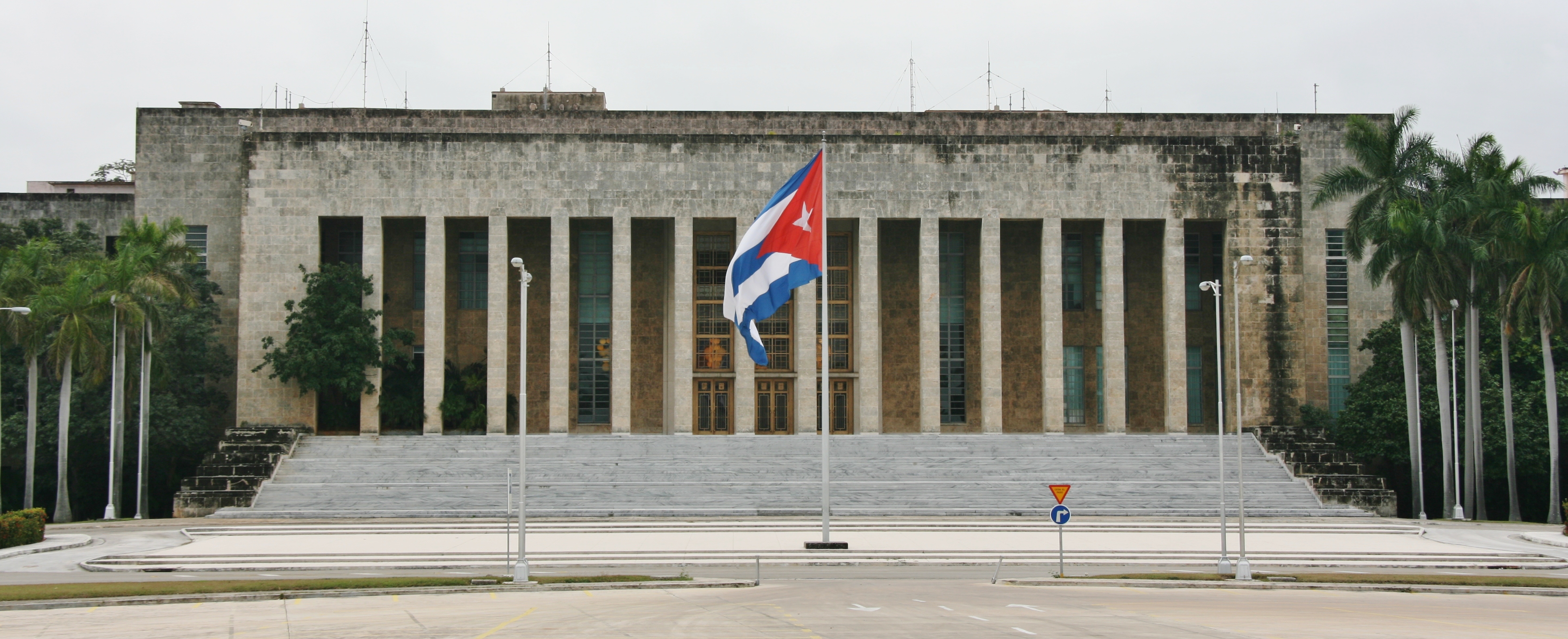
The Central Committee of the Communist Party of Cuba building — the seat of political power in Havana. Photo: Wikimedia Commons (CC BY-SA)
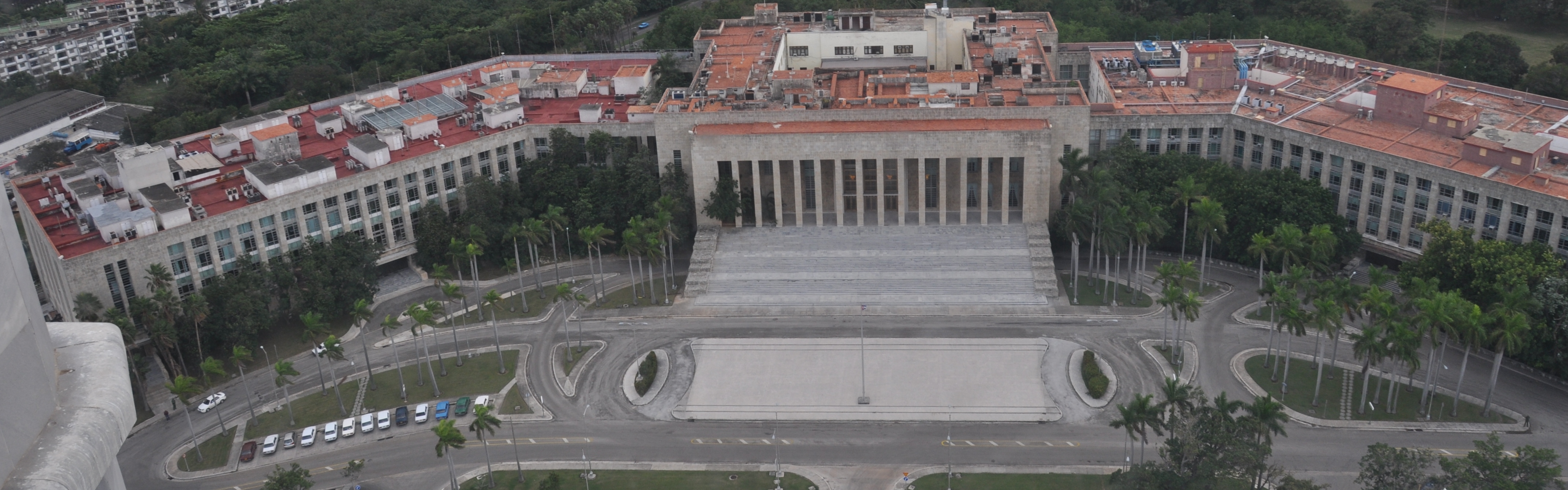
Panoramic view of the Plaza de la Revolución with the José Martí Memorial. Photo: Wikimedia Commons (CC BY-SA)
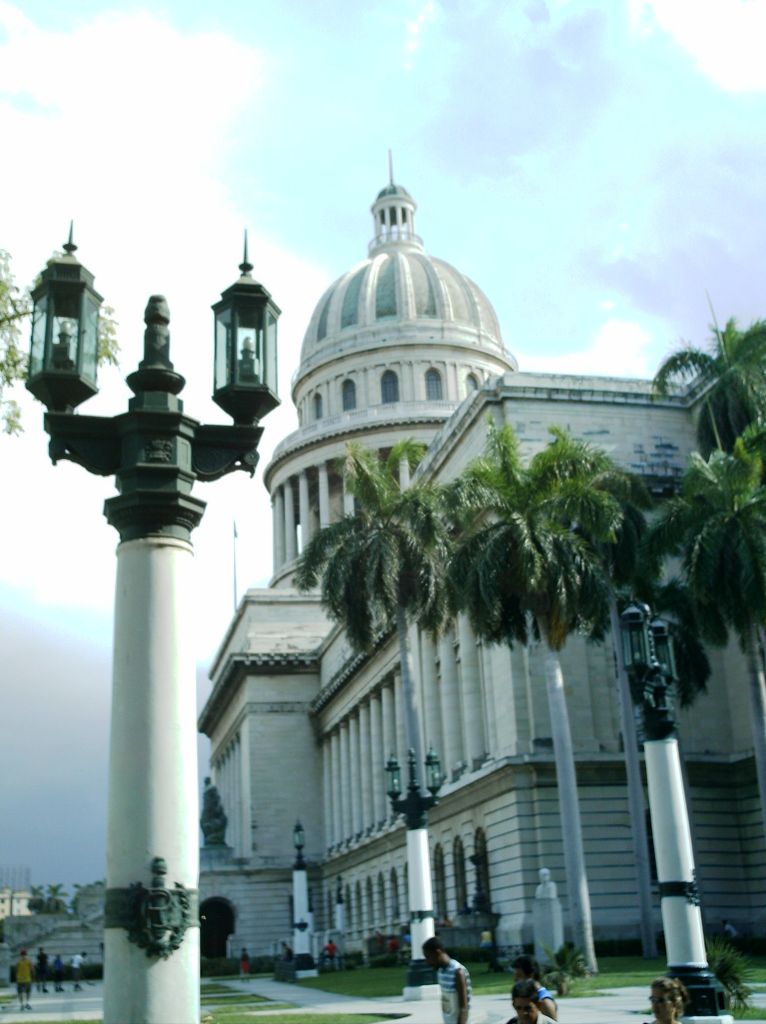
The National Capitol Building in Havana, seat of the National Assembly of People's Power. Photo: Wikimedia Commons (CC BY-SA)
History of the Council
The new Constitution creates a separate President of the Republic office, distinct from the Council of State. Miguel Díaz-Canel assumes both roles as President of the Republic and President of the Council of State.
Raúl Castro assumes the presidency of the Council of State following Fidel Castro's resignation due to health reasons, beginning a gradual generational transition at the top of Cuban power.
Cuba's Socialist Constitution formally creates the Council of State. Fidel Castro is elected as its first president, unifying the role with that of President of the Council of Ministers.
Triumph of the Revolution. The restructuring of the Cuban state begins, a process that would culminate in the creation of new socialist institutions, including the Council of State.
Powers and Functions
Legislation
Issues decree-laws between National Assembly sessions, which carry the force of law until submitted for consideration by the Assembly itself.
Representation
Represents the National Assembly between sessions. The Council's President holds the supreme representation of the Cuban state in the international arena.
Oversight
Supervises and controls the activity of state bodies. May revoke provisions that contravene the Constitution, laws, and decree-laws.
Appointments
Upon the proposal of the President of the Republic, approves the appointment of ministers, heads of agencies, and other senior Cuban state officials.
Foreign Relations
Ratifies and withdraws from international treaties. Accredits and recalls Cuba's diplomatic representatives to foreign governments and international organizations.
National Defense
In case of necessity, decrees general mobilization and declares a state of war or peace, assuming whatever functions are required under those circumstances.
"The Council of State is the ultimate expression of organized popular power — guarantor of the sovereignty and independence of the Cuban nation."